AI Powered Technology: How AI Is Transforming the Future
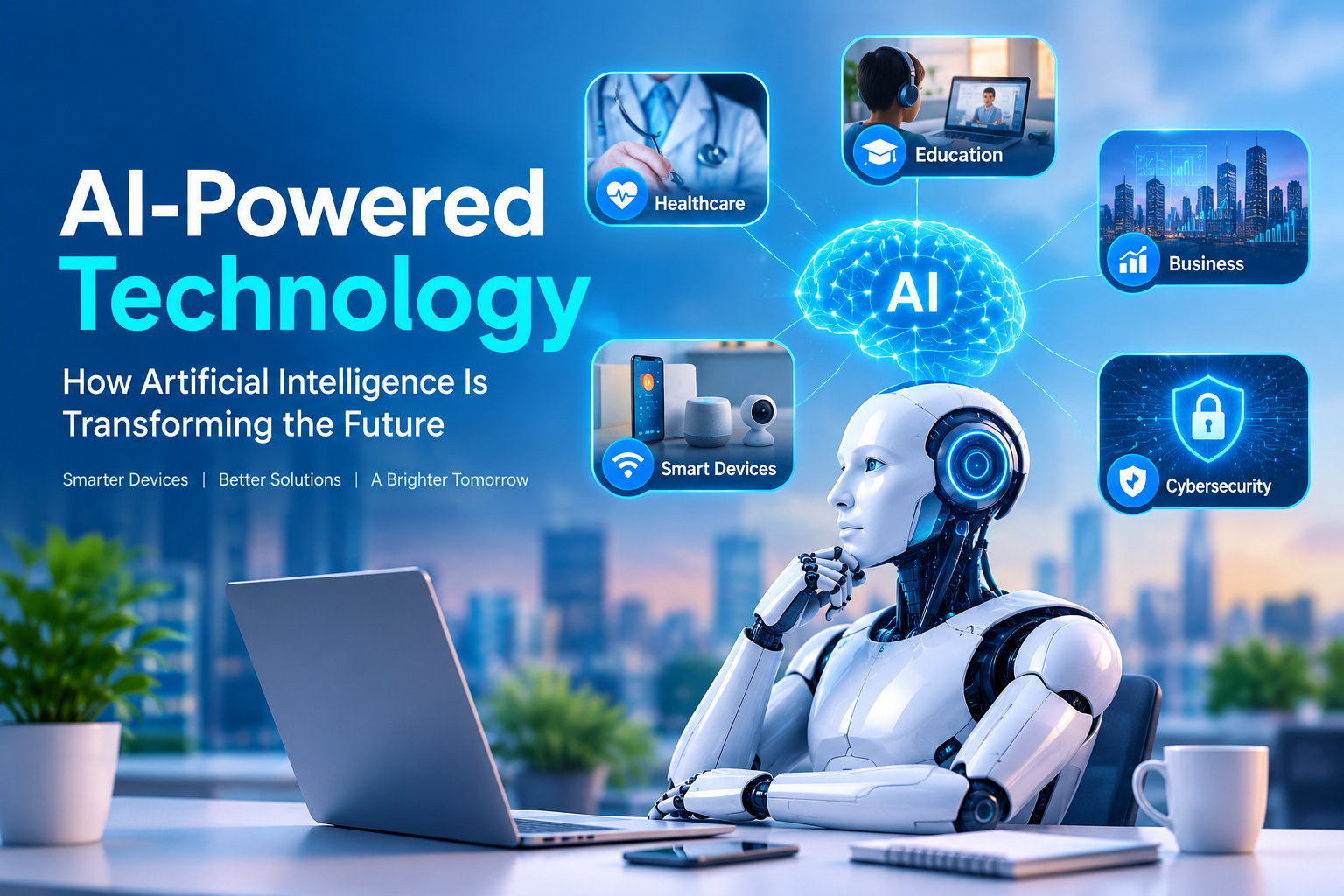
AI-Powered Technology: How Artificial Intelligence Is Transforming the Future
Artificial intelligence is no longer something we only see in science fiction movies. It has become part of our everyday lives, helping people work, communicate, learn, and solve problems more efficiently. From smartphones and smart home devices to business software and healthcare, AI-powered technology is changing the way we interact with the digital world.
As AI continues to improve, its role in our daily lives is expected to grow even further. But what exactly is AI-powered technology, and how does it work?
What Is AI-Powered Technology?
AI-powered technology refers to software, devices, and systems that use artificial intelligence to perform tasks that usually require human intelligence. These tasks can include understanding language, recognizing images, learning from information, finding patterns, making predictions, and solving problems.
Modern AI relies on several technologies, including machine learning, natural language processing (NLP), computer vision, and generative AI. Together, these technologies allow computers to process information and produce useful results in a short amount of time.
How Do AI Systems Work?
At a basic level, AI systems learn by working with large amounts of data. They look for patterns and use those patterns to generate predictions, recommendations, or responses.
For example, an AI-powered recommendation system can learn what a user watches, reads, or buys and then suggest similar content or products. AI chatbots work in a similar way by analyzing questions and generating relevant responses using natural language processing.
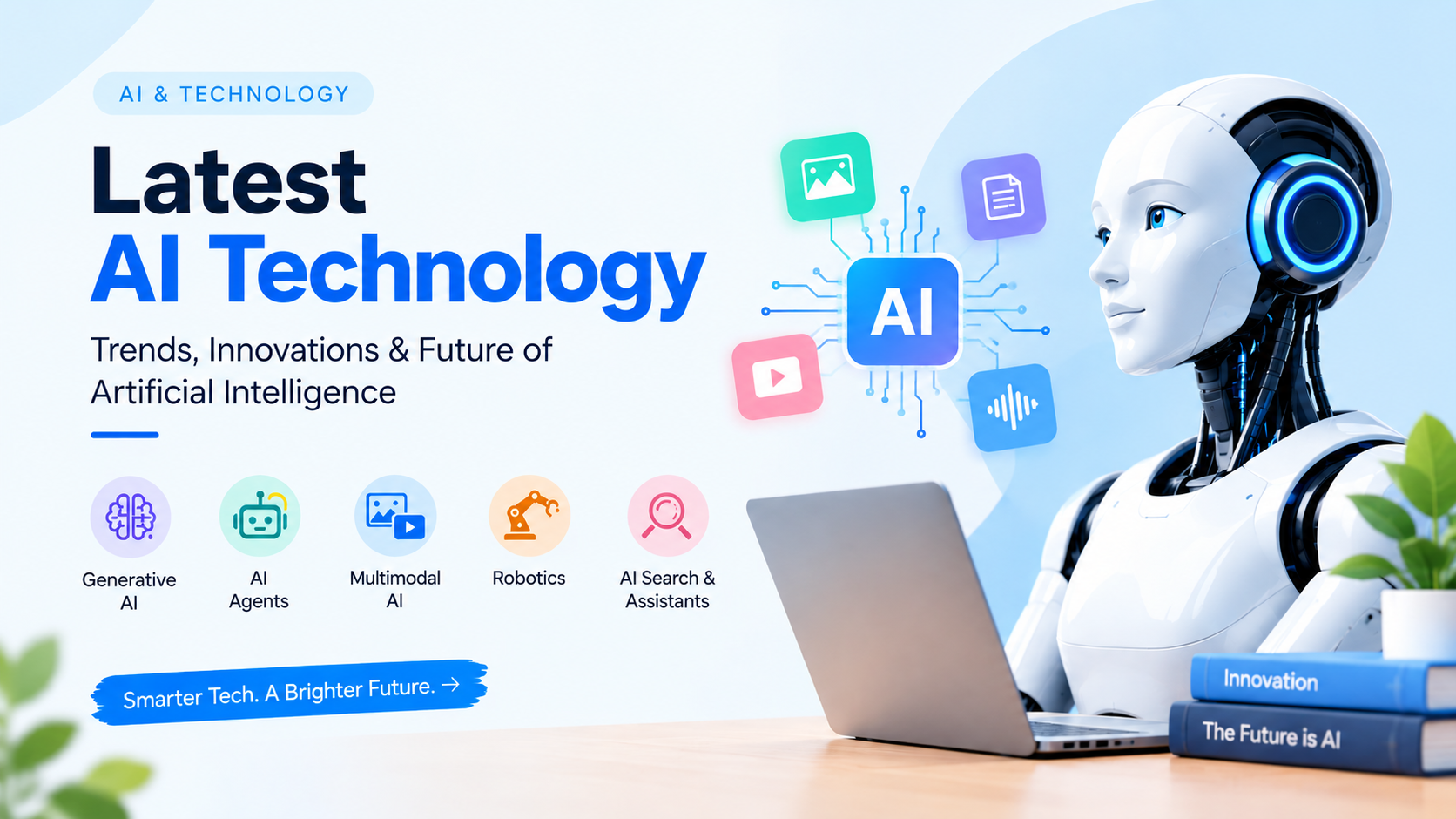
Generative AI has taken this technology a step further. It can create text, images, audio, videos, and computer code from simple user instructions. This has made AI tools increasingly useful for writers, students, developers, marketers, designers, and businesses.
Applications of AI-Powered Technology
AI is already being used across many industries and everyday applications.
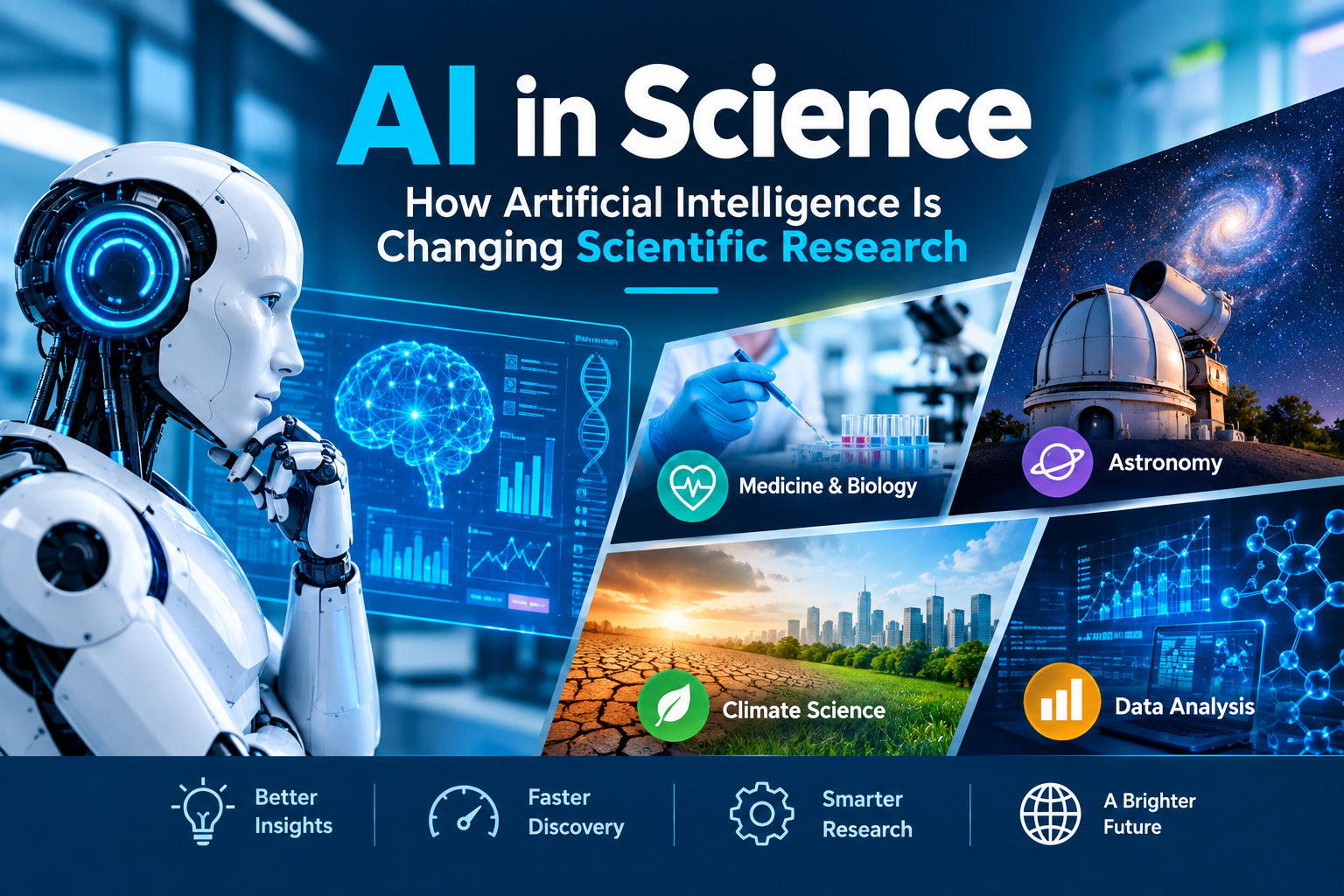
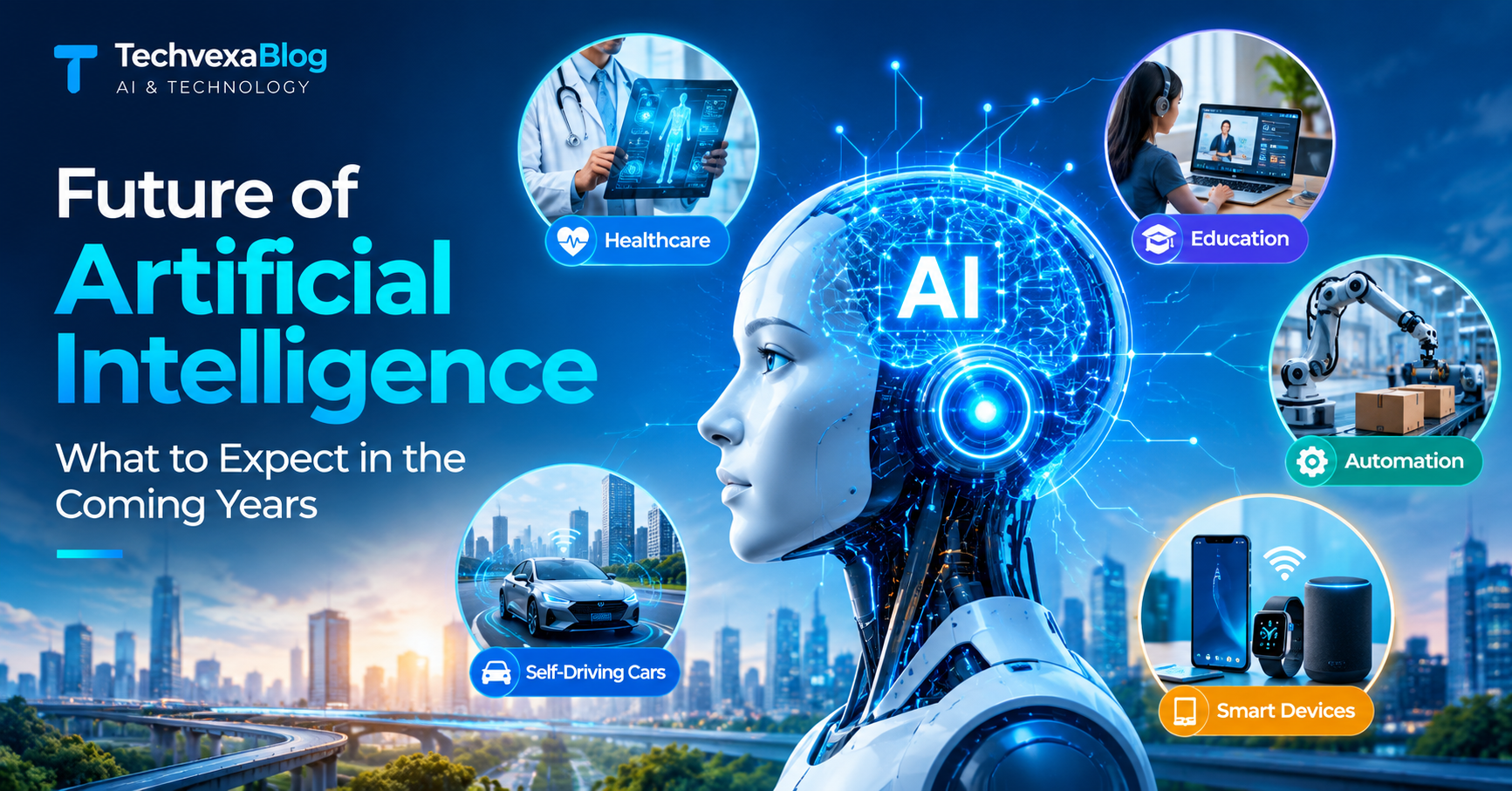
Healthcare: AI can assist with medical image analysis, research, patient data management, and other healthcare-related tasks.
Education: AI-powered learning platforms can offer personalized resources and help students understand complex subjects.
Business: Companies use AI for customer support, data analysis, marketing, automation, and forecasting.
Smart Devices: Smartphones, smart cameras, speakers, and other connected devices use AI to offer more personalized and intelligent features.
Cybersecurity: AI can analyze unusual patterns and help security teams identify potential threats more efficiently.
Benefits of AI-Powered Technology
One of the main benefits of this technology is automation. AI can take care of repetitive tasks, giving people more time to focus on creative and meaningful work.
Another advantage is speed. AI systems can analyze large amounts of information much faster than humans, which can help businesses make better data-driven decisions.
Personalization is also becoming increasingly important. AI can learn from user behavior and provide recommendations, services, and experiences that are more relevant to individual users.
The Future of AI-Powered Technology
The future of artificial intelligence looks increasingly connected with everyday life. AI could become more deeply integrated into smartphones, vehicles, workplaces, homes, and online services.
At the same time, responsible AI development will be essential. Issues such as privacy, data security, accuracy, transparency, and ethical use need to be considered as AI systems become more capable.
Conclusion
AI-powered technology is changing modern technology by making software and devices smarter, faster, and more useful. From generative AI and smart devices to healthcare and business automation, artificial intelligence is already having a significant impact on many areas of life.
As AI continues to evolve, understanding how these technologies work can help individuals and businesses make better use of the opportunities they create and prepare for the next generation of digital innovation.
Share this content: